6 Proven Tips to Protect Your Car from Overheating in the UAE
The UAE summer can be tough on cars. High temperatures, hot roads, traffic congestion and direct sunlight put extra stress on the engine, cooling system, battery, tyres and air-conditioning system.
The good news is that many heat-related breakdowns can be prevented with simple checks and regular maintenance.
Khaleej Buzz has brought some very essential and handy ways to protect cars from overheating in UAE and what drivers should check before heading out during the hottest months.
Why Cars Overheat More Easily in UAE Summer
Extreme heat does not automatically mean your car will overheat. Modern vehicles are designed to operate in hot climates, but an existing fault can become much worse when temperatures rise.
A recent UAE summer report highlighted coolant leaks, weak batteries, worn hoses and rising temperature gauges as common warning signs that should not be ignored.
Also Read: Jaywan Card – FAB Launches UAE’s First Domestic Card
6 Proven Tips To Protect Your Car From Overheating in UAE
The best approach is preventative maintenance. These six checks can help reduce the risk of overheating and other summer-related vehicle problems.
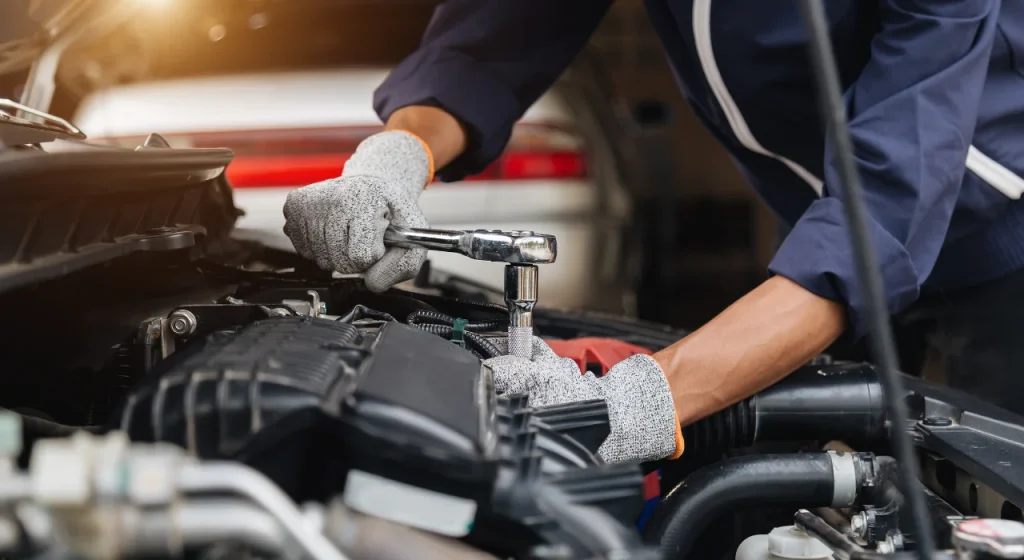
1. Check the Coolant and Cooling System Regularly
Coolant is one of the most important fluids for controlling engine temperature. Before a long journey, check the coolant reservoir and make sure the level is within the manufacturer’s recommended range.
Also look for:
Never ignore a coolant leak. A small leak can quickly become a major problem in extreme heat.
Important: Never open a hot radiator or coolant-system cap. Allow the vehicle to cool and follow the manufacturer’s instructions before checking or servicing the system.
2. Protect and Test Your Car Battery
UAE heat can place significant stress on car batteries. High under-bonnet temperatures can accelerate battery deterioration, while corrosion and electrolyte loss can contribute to starting problems.
Before summer driving, check the battery for:
If your battery is older or showing signs of weakness, have it professionally tested rather than waiting for it to fail on the road.
3. Check Tyre Pressure and Condition
Tyres deserve extra attention during UAE summer. Incorrect pressure, worn tread, cracks and other damage can increase safety risks, particularly on hot roads and during long-distance driving.
Check tyre pressure when the tyres are cold and use the pressure recommended by your vehicle manufacturer. Do not simply use a generic pressure figure.
Also inspect the tyres for:
Abu Dhabi Police has specifically urged motorists to check tyre condition during summer and ensure tyres are suitable for the vehicle, load and temperature conditions.
Also Read: Top Rated AC Repair Services In Dubai
4. Keep the Radiator, Engine Bay and Airflow Clean
UAE roads can expose vehicles to considerable dust and sand. Debris around the radiator or engine bay can restrict airflow and contribute to heat build-up.
Clean the relevant areas carefully and have the radiator inspected if the car regularly runs hotter than normal.
It is also worth checking that nothing is blocking the radiator’s airflow. If the vehicle’s cooling performance seems weaker than usual, professional inspection is safer than trying to diagnose a serious cooling-system fault yourself.
5. Keep the AC and Engine Fluids in Good Condition
A reliable air-conditioning system is essential for comfortable UAE driving, but summer maintenance should not stop with the AC.
Check the vehicle’s:
Follow the vehicle manufacturer’s service schedule rather than changing fluids based only on outside temperature.
If the AC takes unusually long to cool the cabin, blows warm air, produces strange smells or has noticeably weaker airflow, arrange an inspection. A clogged cabin filter or another AC-system issue may be responsible.
6. Park Smart and Avoid Unnecessary Heat Exposure
Where you park can make a noticeable difference to the vehicle’s interior temperature and long-term condition.
Whenever possible:
A sunshade can also help protect the dashboard and cabin materials from prolonged sunlight.
For EV owners, shaded parking is useful too. EV drivers should follow their vehicle manufacturer’s specific recommendations for charging and battery temperature management.
Warning Signs Your Car May Be Overheating
Knowing the early warning signs can help you react before a small issue becomes an expensive repair.
Watch for:
| Warning sign | What it may indicate |
| Temperature gauge rising | Cooling-system problem or excessive engine heat |
| Steam from under the bonnet | Possible coolant or cooling-system issue |
| Burning or unusual smell | Fluid leak, overheating component or electrical problem |
| Low coolant | Leak or cooling-system issue |
| Weak AC performance | AC fault or related cooling issue |
| Frequent battery problems | Battery deterioration or heat-related stress |
| Cracked hoses | Age or heat-related deterioration |
| Unusual engine behaviour | Possible overheating or mechanical fault |
If the temperature warning appears or the gauge moves into an unsafe range, do not continue driving just to reach your destination.
What to Do If Your Car Starts Overheating
If your car begins overheating while driving in the UAE, safety should come first.
- Turn off the air conditioner and reduce engine load.
- Pull over safely as soon as possible.
- Turn off the engine if the temperature remains dangerously high.
- Keep away from steam or hot coolant.
- Do not open the radiator cap while the engine is hot.
- Wait for the vehicle to cool before any inspection.
- If the problem continues, contact a qualified mechanic or roadside assistance.
Cautious: Do not pour cold water over a hot engine or radiator. A sudden temperature change can damage components, and opening a pressurised cooling system can cause serious burns.
Simple UAE Summer Car Maintenance Checklist
A quick routine can make summer driving safer and reduce the chance of unexpected breakdowns.
Before a Long Drive
Abu Dhabi Police has also warned motorists against leaving potentially hazardous items such as lighters, compressed containers, batteries and certain electronic devices inside vehicles exposed to summer heat.
Do EVs Need Different Heat Protection?
Yes, but the basic principle is similar: prevent unnecessary thermal stress and follow the manufacturer’s instructions.
EV batteries use sophisticated thermal-management systems, but extreme temperatures can affect efficiency, range and charging behaviour. Drivers may notice reduced range, slower charging or increased cooling activity during very hot conditions.
Do not assume that an EV is completely unaffected by UAE summer heat simply because it does not have a conventional petrol engine.
Conclusion
Knowing how to protect cars from overheating in UAE is less about complicated repairs and more about consistent maintenance. Coolant, tyres, battery condition, radiator airflow, fluids and parking habits all matter during the hottest months.
Most importantly, do not ignore warning signs. A rising temperature gauge, coolant leak, unusual smell or damaged hose can be an early indication of a bigger problem.
FAQ
Can UAE heat cause a car to overheat?
Yes. Extreme temperatures increase the workload on the vehicle’s cooling system.
Should I check tyre pressure when the tyres are hot?
It is generally better to check tyre pressure when the tyres are cold and follow the vehicle manufacturer’s recommended pressure. Hot tyres naturally show higher pressure after driving.
What are the main signs of an overheating car?
Common warning signs include a rising temperature gauge, steam, unusual smells, coolant loss and unusual engine behaviour.
Can I open the radiator cap when the engine is hot?
No. A hot cooling system can be pressurised, and opening the cap can release hot coolant or steam and cause serious burns. Allow the system to cool and follow the manufacturer’s instructions..
Is UAE summer heat bad for car batteries?
High temperatures can accelerate battery deterioration and increase the likelihood of failure, particularly when the battery is already aging or has other problems.
What should I do if my car overheats on a UAE road?
Pull over safely, stop driving if the temperature remains dangerously high, avoid opening the hot cooling system and seek professional assistance if the problem does not resolve.